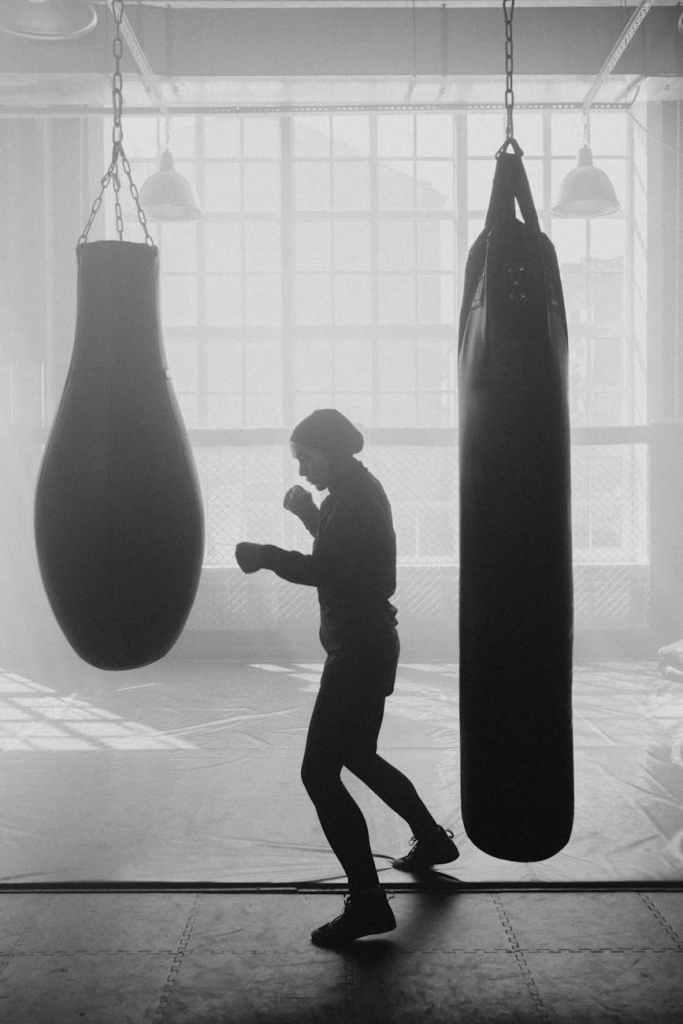
The world of combat sports celebrates resilience, fighters coming back from devastating losses, injuries, and layoffs to reclaim victories. But one of the greatest comebacks in the fight game isn’t from a broken bone or a torn ligament; it’s from the pause and journey to carry and bare life.
Just yesterday, Allycia Hellen Rodrigues stepped into the ring at ONE Fight Night 29, proving that motherhood isn’t a roadblock to success. After stepping away from competition to have her child, Rodrigues returned stronger than ever, reclaiming the ONE Women’s Atomweight Muay Thai World Championship in spectacular fashion. It was a reminder that while the fight world often questions whether female athletes can return to top form after pregnancy, history proves they can, and they do.
Rodrigues’ victory joins a growing list of fighters who have rewritten the narrative. Mackenzie Dern, a UFC strawweight, didn’t just return after childbirth—she was back in the cage four months later. While this was a loss, Mackenzie attributed this to the opponent being better on the night and not to the swift comeback. Ann Wolfe, one of boxing’s most feared knockout artists, balanced motherhood while building her legendary career. And before them, Cat Zingano trailblazing as the first mother to compete in the UFC.
Yet, despite these triumphs, a pregnancy and a maternity pause in combat sports still carries a stigma. Fighters who take time off to give birth often face contract freezes, promotional neglect, and doubts about their ability to return, despite male fighters taking years off for injuries and being welcomed back with open arms.
The double standard is glaring, and it raises a crucial question: If an injury can pause a fighter’s career without harming their standing, why can’t pregnancy?
The road back isn’t just about proving doubters wrong, it’s about rebuilding a body that has undergone one of the most physically demanding transformations possible. Fighters like Rodrigues and Dern weren’t just training for a fight; they were restoring their core strength, regaining balance, and adjusting to hormonal shifts that affect endurance, recovery, and metabolism. Yet, the way these women return, sometimes stronger, sometimes more focused, speaks to the resilience, mental toughness and determination that combat sports demand of its competitors.
For combat sports to truly embrace gender equality, promotions need to evolve. Contract protections for pregnant fighters, structured postpartum recovery programs, and proper marketing of their return fights are necessary steps. UFC legend Ronda Rousey once said, “Women should never have to choose between being an athlete and being a mother. You can be both.” Rodrigues’ victory last night proved exactly that.
Motherhood isn’t a weakness. It’s one of the greatest comebacks in sports. And it’s time for the fight world to start treating it that way.
